Staying engaged in later years can shape how confidently and joyfully older adults move through daily life. Among the many ways to support wellbeing, volunteering stands out because it supports physical activity, emotional grounding, and meaningful social bonds. When seniors share their time and skills, they strengthen their communities while enriching their own sense of purpose.
A Meaningful Path to Staying Active
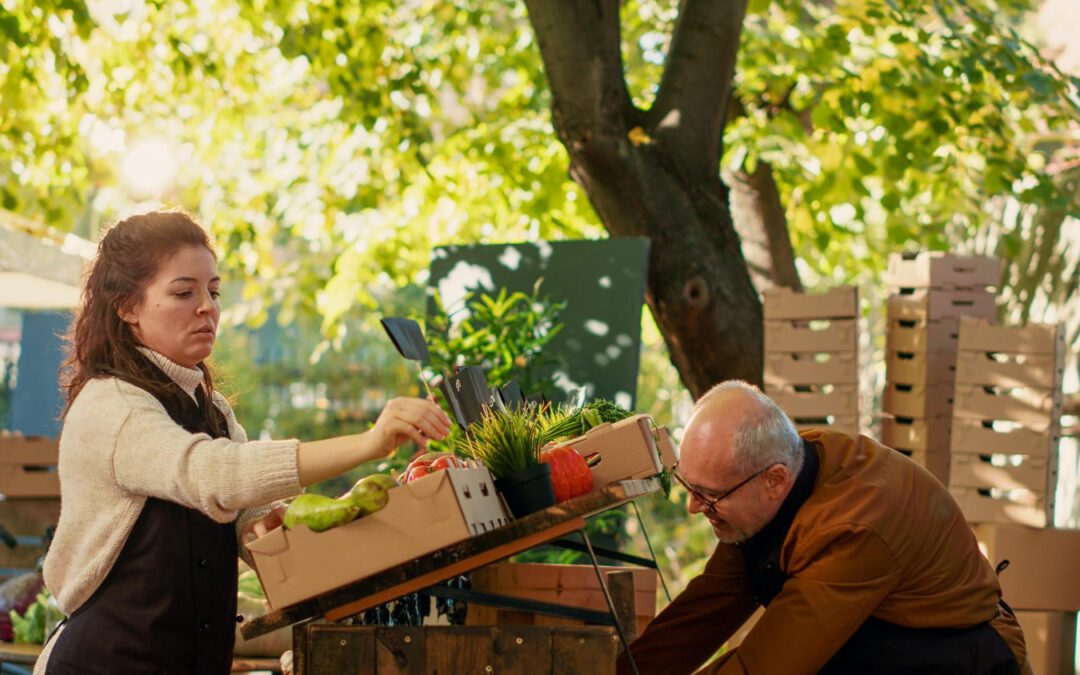
Movement does not always require a gym or structured workout. Many volunteer roles introduce natural, low-impact activity that fits comfortably into a senior’s lifestyle. Tasks like stocking shelves at a food pantry, assisting at a community garden, or helping prepare materials for local programs encourage gentle physical engagement. These activities support mobility, flexibility, and stamina in a way that feels purposeful rather than forced.
For individuals who prefer less physically demanding roles, opportunities such as mentoring, clerical support, or making phone calls still stimulate the mind and create routine. Action, even in small increments, helps maintain energy levels and supports daily functioning.
Strengthening Social Bonds and Reducing Isolation
Human connection has a powerful impact on well-being, especially for older adults who may have experienced changes in social circles or living environments. Volunteering introduces new relationships built around collaboration and shared goals. It helps seniors stay socially active without pressure, because the interaction grows naturally from the work being done together.
These connections can lead to steady friendships, supportive peer networks, and a renewed sense of belonging. The conversations, problem-solving, and shared laughter that happen during volunteer activities nurture emotional health and help reduce feelings of isolation. Regular participation gives seniors a reason to look forward to each scheduled day, fostering stability and encouragement.
Supporting Purpose and Personal Fulfillment
Purpose shapes confidence. Many seniors find that contributing to their community renews their sense of identity, especially after major life transitions such as retirement or downsizing. Volunteering allows individuals to use their strengths, hobbies, or professional experience in ways that matter to others. Whether teaching a skill, offering companionship, or helping with community initiatives, each contribution builds a rewarding sense of accomplishment.
These experiences also help seniors continue learning. A new role may involve developing a skill, adapting to fresh routines, or exploring different spaces in their community. Growth keeps the mind active and empowers individuals to stay engaged with what inspires them.
Encouraging Mental and Emotional Resilience
Volunteering supports mental well-being by adding structure and positive anticipation to the week. A scheduled activity anchors the day, helping seniors maintain healthy routines while providing a meaningful outlet for their compassion and talents.
The emotional benefits can be equally impactful. Helping others naturally boosts mood, lowers stress, and encourages optimism. Generosity reinforces the belief that each person still plays an important part in the community, regardless of age. This sense of contribution strengthens emotional resilience and nurtures hope.
Creating Intergenerational Connections
One of the most enriching aspects of volunteering is the opportunity to interact with people of different ages. Many programs bring together children, teens, adults, and seniors to collaborate. These interactions allow older adults to share wisdom, stories, and skills while learning from younger generations in return. Intergenerational relationships help bridge gaps, reduce stereotypes, and build a stronger community fabric.
These moments invite laughter, perspective, and mutual respect. Seniors often describe them as energizing because they spark curiosity and create a feeling of vitality.
If you or someone you care for is exploring ways to stay active and engaged, the Northeast Missouri Area Agency on Aging can help identify volunteer opportunities that align with personal comfort and interests. Reach out to learn about supportive programs that encourage meaningful community involvement.